🥪 Simple Cheese Sandwich — A Recipe With A Little Learning
You’d be surprised how much learning fits inside a simple cheese sandwich. From spreading and slicing to counting and reading, this everyday recipe is packed with little learning moments — and one of the best first recipes for building kitchen confidence.
📋 What’s on this page
The Learning Woven Through
Here’s the lovely thing about a cheese sandwich: while your child thinks they’re just making lunch, they’re quietly building real skills. You don’t need to turn it into a lesson — the learning is already there in every step. As you cook together, look out for the little green 🌱 Learning woven in notes below: they show you exactly what’s developing and what to gently encourage in the moment.
🛡️ Safety Notes
- Do the recipe alongside your child until they’re ready for more independence.
- Always use child-safe knives for slicing.
- Clean the worktop and wash hands before starting.
- Check for allergies and adapt as needed.
- Cut food into child-safe sizes to avoid choking.
🧑🍳 Tools & Equipment
Some of the links below are affiliate links — if you buy through them I may earn a small commission, at no extra cost to you. I only ever suggest things I genuinely use and love. Full disclaimer.
- Child-safe knife
- Dinner or butter knife (for spreading)
- Chopping board
- Circle biscuit cutter
- Plate
🛒 Ingredients
- 2 slices of wholemeal bread
- 2 slices of cheddar cheese
- 1 tsp mayonnaise (or butter)
- A few slices of cucumber
- A few slices of tomato
Swap in any fillings your child enjoys — the learning happens whatever goes inside!
🚚 Order Ingredients on Uber EatsStep-by-Step Instructions
Each step shows you how to adapt it for your child’s stage. Find where they are and follow along — and don’t worry if they move between stages, that’s completely normal.
Wash Hands
Wash hands together before touching any food. Build this habit from the very start.
Wipe the Worktop
Wipe down the surface together before you start. A clean workspace is part of cooking.
Cut the Cheese
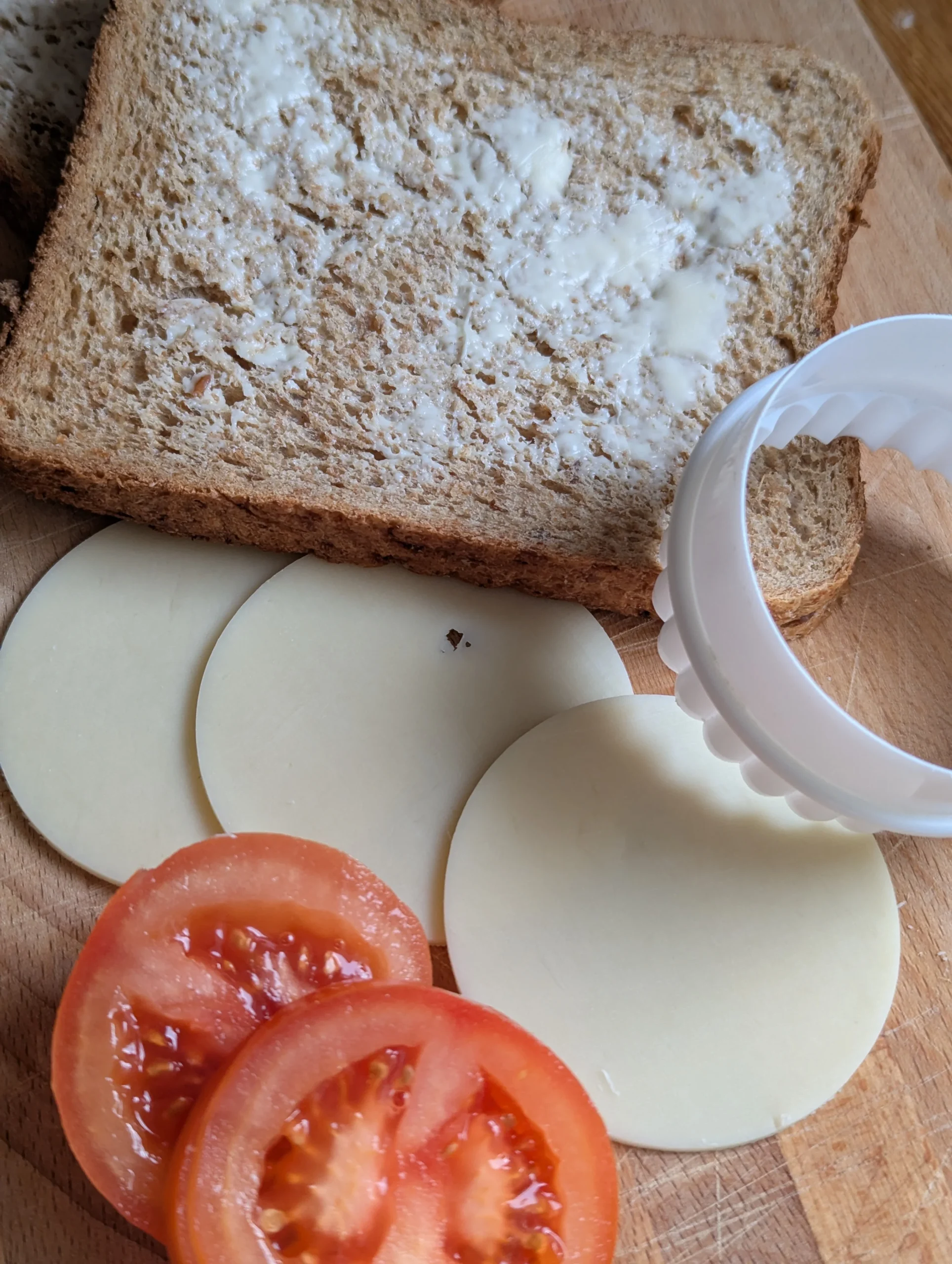
Using a biscuit cutter, push it down into the cheddar to cut a circle. The pushing motion is brilliant for hand strength.
Slice the Cucumber
Using a child-safe knife on a chopping board, slice the cucumber into rounds.
Slice the Tomato
Slice the tomato into rounds on the chopping board.
Spread the Mayonnaise
Using a dinner knife, spread the mayonnaise or butter over the whole slice of bread. Covering all the edges takes real concentration — don’t worry if it’s not perfect.
Build the Sandwich
Layer the cheese, cucumber and tomato onto the bread. Ask them what should go on first — they are in charge of their own creation.
Cut the Sandwich
Pop the second slice on top and cut the sandwich.
Enjoy Together
Stand back and let them admire what they’ve made before eating it together. That moment of pride matters.
Quick Tidy with Music!
Pop a song on and race to put things away before it ends. Make tidying part of the fun, not a chore tagged on at the end.
💡 Tips for Parents
- Use flashcards. Write out the ingredient names and ask your child to match them to the items on the table — a brilliant way to weave reading practice in.
- Sneak in maths. “We need 2 slices of bread — can you count them out?” or “If we cut the sandwich in half, how many pieces do we have?”
- Let them choose the fillings. If they’re not keen on cucumber or tomato, swap freely. The learning happens whatever goes in the sandwich.
- Build independence gradually. Start by doing it together, then hand over one more step each time. Before you know it, they’ll be making it on their own.
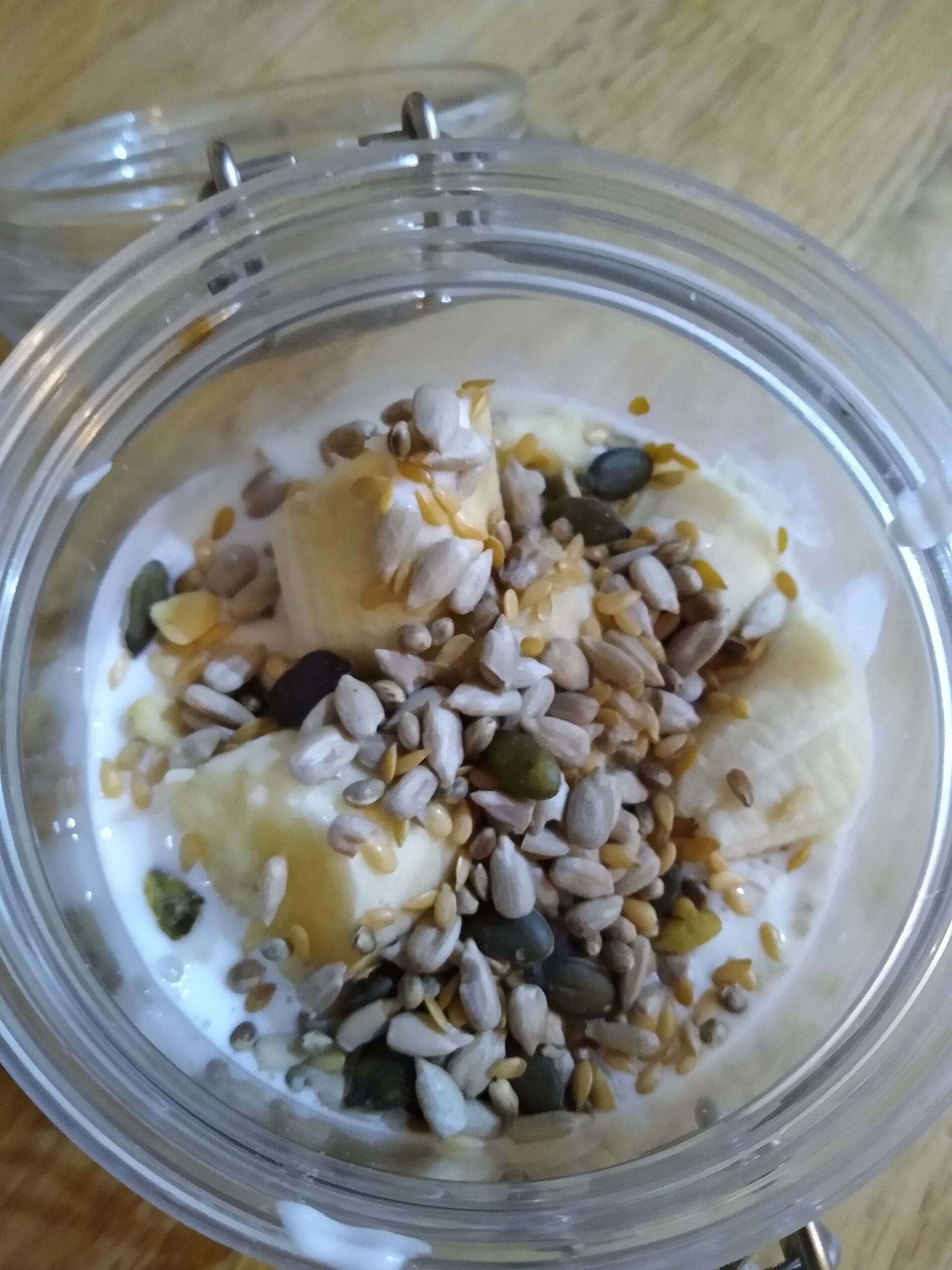
- Need a breakfast idea too? Try our overnight oats recipe for kids — same Stages approach, no cooking required.
Frequently Asked Questions
At Dinky Bakers we use Stages, not ages. Some children will be keen Helpers from quite young; others will need more time before taking on the slicing. Use the stage notes in each step to work out which parts your child is ready to own today.
Any cheese your child likes works — mild cheddar, red Leicester, or cream cheese which they can spread themselves. For dairy-free, vegan cheese or hummus both work beautifully.
Swap them out — the recipe is just a starting point. Try sliced apple, grated carrot or sweetcorn. Children are far more likely to try food they’ve helped make. Letting them choose the fillings is itself a great Helper-stage decision.
You can, but leave the tomato out as it makes the bread soggy. Add it fresh in the morning, or pack it separately in a small container. Cucumber holds up better overnight than tomato.
Slow it right down. Read the recipe out loud together, count every slice, talk about the colours and shapes, ask your child what they think will happen next. The sandwich is just the excuse — the conversation is the actual lesson.

Every Child Can Make This
That’s the whole idea behind Stages Not Ages. It’s not about what they can do at a certain age — it’s about finding where they are today and handing them the next step. A cheese sandwich is as good a place to start as any.
Want More Stage-by-Stage Recipes?
The Dinky Bakers Starter Kit has everything you need to get cooking with confidence — recipes written for every stage, conversation prompts, and a guide to the kitchen skills your child is building.
Get the Starter Kit — From £9 →Or grab the free Stages Not Ages Mini-Guide to try it first.