Rainy Day Kitchen Activities: 10 Calm Ideas to Try This Afternoon
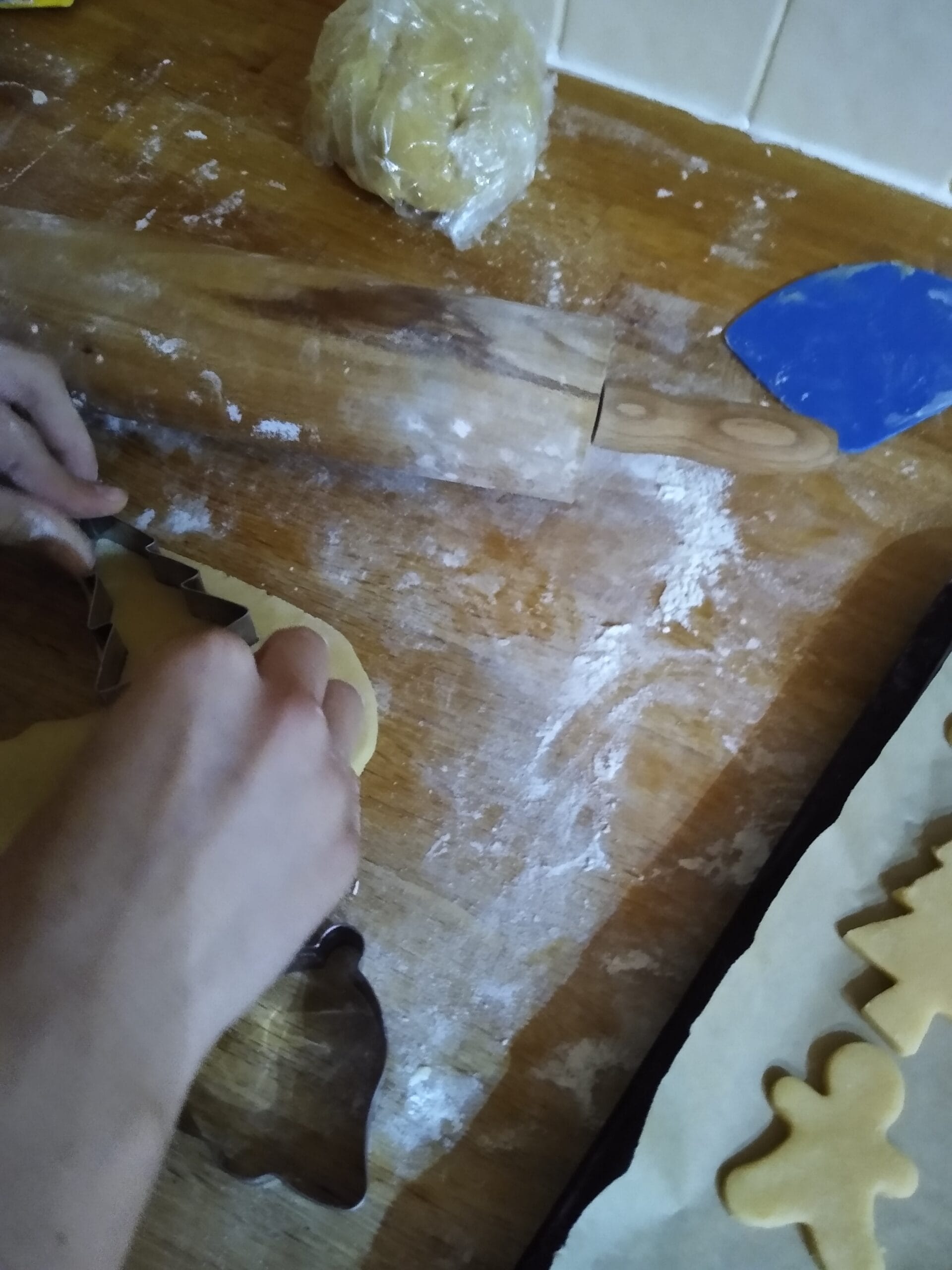
You know those days. It’s pouring outside, the children are bouncing off the walls, and you’ve already exhausted every colouring book in the house by 10am. I’ve been there more times than I can count — three kids, a rainy half term, and the creeping dread of “what are we going to do today?” The answer, more often than not, has been a kitchen full of rainy day kitchen activities — calm, hands-on, low-mess things we can do together with whatever is in the cupboard.
But here’s the thing I’ve learnt over the years: the kitchen is your secret weapon on days like these. You don’t need fancy equipment, expensive ingredients, or a Pinterest-perfect setup. You just need a worktop, a few bits from the cupboard, and a willingness to let things get a little messy. That’s where the magic happens.
Why the kitchen is perfect for rainy days
When the weather keeps us indoors, children need something that keeps their hands busy and their minds engaged. Screens are tempting (no judgement — we all do it), but there’s something about getting stuck into a kitchen activity that genuinely changes the mood of the whole house. Suddenly everyone’s busy, there’s something to talk about, and the time just flies.
The best part? Your child is learning without even realising it. They’re counting, measuring, reading, problem-solving, building fine motor skills — all while thinking they’re just having fun. And for children who find traditional learning a bit tricky, this can be a real game-changer. There’s no pressure, no worksheets, no right or wrong answers. Just a spoon, a bowl, and a lot of encouragement.
10 simple rainy day kitchen ideas
None of these need anything fancy. Most use things you’ve already got in your cupboards.
1. Make your own playdough
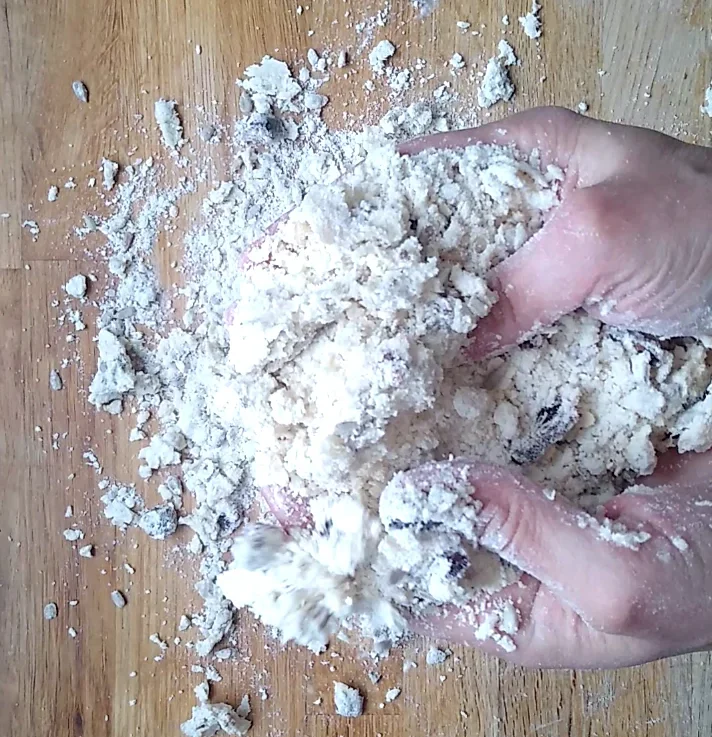
This one is an absolute classic for a reason. Mix flour, salt, water, oil, and a splash of food colouring, and you’ve got hours of entertainment. The measuring is brilliant for maths, the mixing builds arm strength, and the kneading is amazing for fine motor skills. Plus, once it’s made, they can play with it all afternoon.
2. Breakfast in a tub
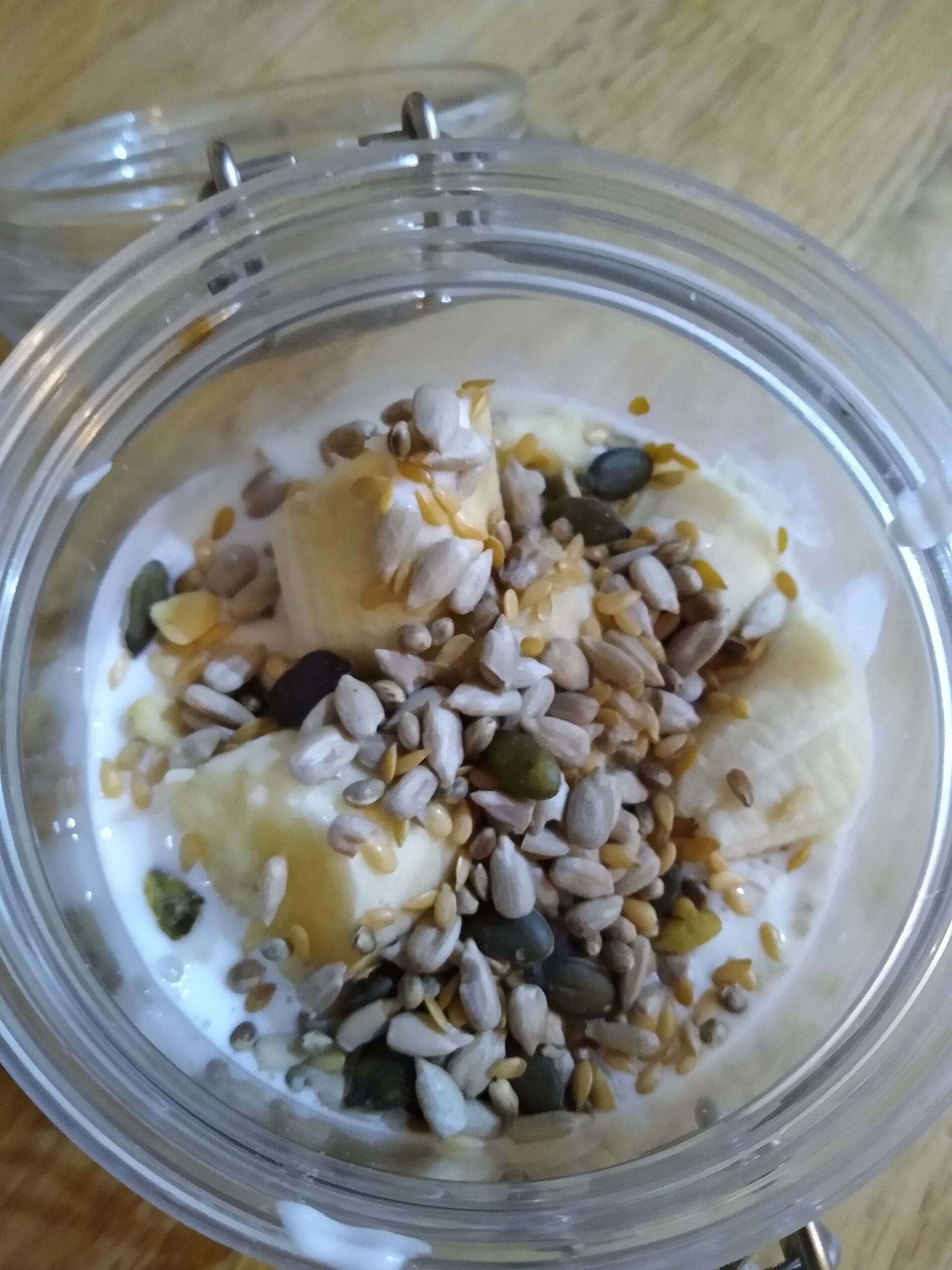
Layer oats, yoghurt, and fruit in a jar the night before — or make it together on a rainy morning. It’s so simple, but children love the layering process. You can talk about the word “stratified” (meaning made of layers) and sneak in some fractions when measuring the quarter cups. Before long, they’ll be making it completely on their own. Try our overnight oats recipe for the full step-by-step.
3. Decorate your own toast
Toast a few slices and set out bowls of toppings — cream cheese, sliced banana, berries, honey, sprinkles, anything goes. Let your child create toast “faces” or patterns. It sounds so simple, but the spreading is great for fine motor skills and the choosing builds independence.
4. Soup in a pot
Rainy days and soup just go together, don’t they? Get your child to help wash vegetables and tear up herbs. Even your Explorers can press the button on the blender (with your help). Talk about where the vegetables come from, count them as they go in, and enjoy the warmth together when it’s done.
5. Rainbow fruit kebabs
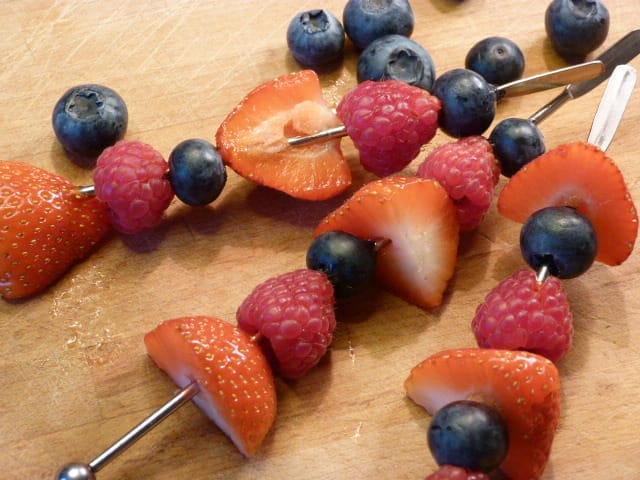
Thread fruit onto blunt skewers in rainbow order. This is wonderful for colour recognition, fine motor skills, and hand-eye coordination. Talk about the colours, count the pieces, and dip them in yoghurt when they’re done. We have a full fruit kebabs recipe if you want the step-by-step.
💡 Laura’s top tip
Before you start any activity, get everything out and ready. When it’s all laid out on the table, your child can see what they’re working with and it feels much less overwhelming — for both of you! I pop ingredients into little bowls and lay out the equipment. It takes two minutes but makes the whole thing so much calmer.
6. Make a sandwich — their way
Give them the bread, the fillings, and a butter knife, and let them build their own sandwich from start to finish. The learning is everywhere — spreading for fine motor, choosing for independence, cutting for coordination, and counting slices for maths. Our simple cheese sandwich recipe is a great place to start.
7. Biscuit decorating
You can either bake simple biscuits together or buy plain ones from the shop — no judgement either way! Set out icing, sprinkles, dried fruit, and chocolate chips and let them go wild. The squeezing, placing, and designing is brilliant for fine motor skills and creativity.
8. Kitchen treasure hunt
Write out clues (or draw pictures for your Explorers) and hide them around the kitchen. Each clue leads to an ingredient, and at the end they get to make something with everything they’ve found. My children love a hunting adventure — it adds an element of excitement that makes even a simple recipe feel like an event.
9. Homemade pizza
Use pitta breads or wraps as a base and let your child spread the sauce, sprinkle the cheese, and add their own toppings. Count the pepperoni slices, talk about which toppings are vegetables, and let them take ownership of their creation. Everyone gets exactly what they want for dinner, and there’s barely any washing up.
10. Tidy up disco
Okay, this isn’t a recipe — but it’s the best way to end any kitchen adventure! Put on some music and set a timer. Can you tidy everything away before the song finishes? It genuinely turns the worst bit into the best bit.
What about the mess?
I know what you’re thinking. “Laura, I’m already stressed on a rainy day — the last thing I need is flour everywhere.” And I get it, I really do. But here’s what I’ve learnt: the mess is part of the process. The mess is where the learning lives.
Spilling milk while pouring? That’s coordination practice. Flour on the worktop? That’s what happens when you’re measuring independently. A splodge of icing on the table? That’s creativity in action. Try not to worry about perfection. Focus on the experience, and tidy up together afterwards — ideally with music on and a bit of a dance.
Give it a go!
Next time the rain is hammering down and the children are asking “what can we dooooo?”, head to the kitchen. Pick one of these ideas — or better yet, let your child choose. It doesn’t matter if it goes perfectly. It doesn’t matter if you don’t finish. Even ten minutes of cooking together on a rainy day is ten minutes of learning, bonding, and making memories.
And if all else fails, just make toast with faces on it. Works every time.
Stage spotlight
Which rainy day ideas suit your child right now? Use these as a starting point — not a rule.
First adventures
- Decorate toast with toppings you’ve laid out
- Tear herbs and drop vegetables into soup
- Thread fruit onto blunt skewers with help
- Stir playdough mixture in a big bowl
- Follow picture clues in a kitchen treasure hunt
- Choose toppings and place them on pizza
Growing confidence
- Measure and mix playdough ingredients
- Layer breakfast in a tub using quarter cups
- Build and cut their own sandwich
- Spread sauce and sprinkle cheese on pizza
- Squeeze icing and place decorations on biscuits
- Wash and sort vegetables for soup
Leading the way
- Choose the activity and gather all the ingredients
- Follow a soup recipe from start to finish
- Write treasure hunt clues for siblings
- Make playdough independently and add creative extras
- Plan pizza toppings for the whole family
- Lead the tidy up disco and set the timer
Frequently asked questions
You’d be surprised what you can do with flour, salt, and water (playdough), bread and whatever’s in the fridge (toast faces or sandwiches), or a tin of soup and some herbs. Most of these ideas use store-cupboard basics. The activity matters more than the ingredients.
As long as everyone’s enjoying it — that might be 10 minutes or it might be an hour. There’s no minimum. If attention dips, switch to tidy up disco mode and call it a win. Short and happy beats long and stressful every time.
Start with the tidier options — toast decorating, fruit kebabs, or layering breakfast in a jar. Give them a cloth nearby so they can wipe as they go. Some children are more comfortable with dry ingredients first (like sprinkling cheese or placing toppings) before moving to anything sticky. Build up gradually and let them set their own comfort level.
Absolutely — and it’s often more fun that way! Give each child a role or their own station. One spreads, one sprinkles, one stirs. The treasure hunt works brilliantly with siblings. The key is making sure everyone has a job so nobody feels left out.

Rainy days, happy kitchens 💛
The kitchen is your secret weapon when the weather says no. Pick one idea, grab a spoon, and let the adventure begin. It doesn’t have to be perfect — it just has to be together.
Tag me on TikTok or Instagram and show me what you made!
— Laura x