10 Reasons to Start Cooking with Your Child Today
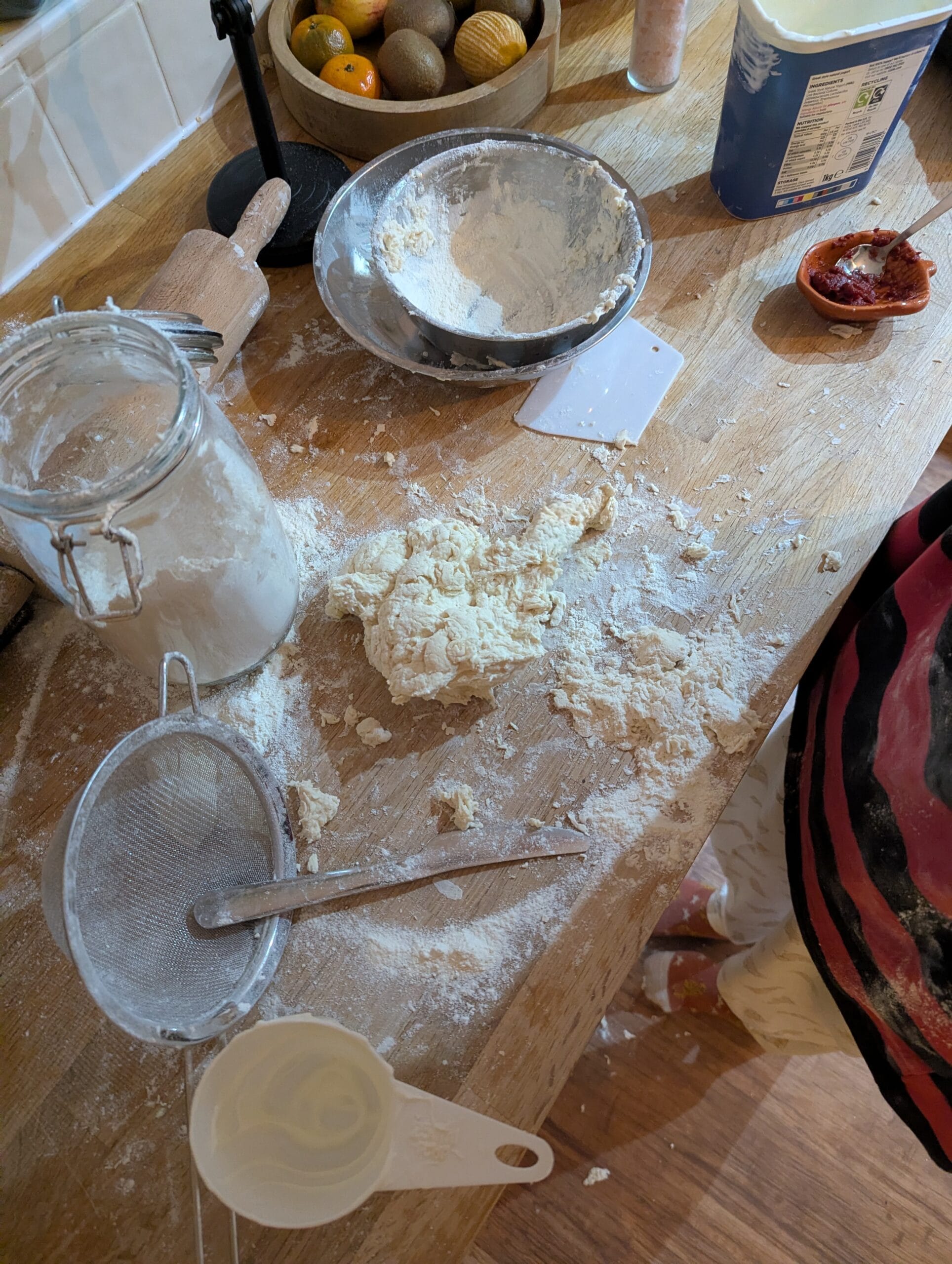
There are so many great memories to be made when cooking with your child. I personally love cooking with my children, although I am not always keen on the mess.
It is a time when we can enjoy time together and have something at the end to enjoy too. As your children get older, you will also see how much they can create on their own — I have certainly noticed that with mine. Quite often they will now tell me, “I can do this myself!”
When we cook together, we are creating memories, deepening the bond between us, learning lots of things, and exploring food. How can we use that last tomato in this meal? Here are my top 10 reasons why you should start cooking with your child today.
Builds life skills
With so many things to teach our children, it really can feel overwhelming — putting a lot of pressure on ourselves as parents.
Giving our children the gift of cooking is more than cooking. It builds understanding of food and how to eat a balanced diet. It introduces budgeting for the weekly shop. It also provides an understanding of where our food comes from. Cooking can offer so much.
Everyone should learn how to cook, even if it is the basics. Cooking doesn’t have to be a Michelin-star experience — boiling an egg, cooking a pancake, or even no-cook recipes are still creating something delicious. I don’t feel we need to get hung up on being exact with measurements; recipes can be more forgiving than you’d expect.
Children may put in a little extra or not quite enough, but that doesn’t always matter. Building the skill of enjoying cooking, and exploring all the different ingredients available to us, is genuinely exciting.
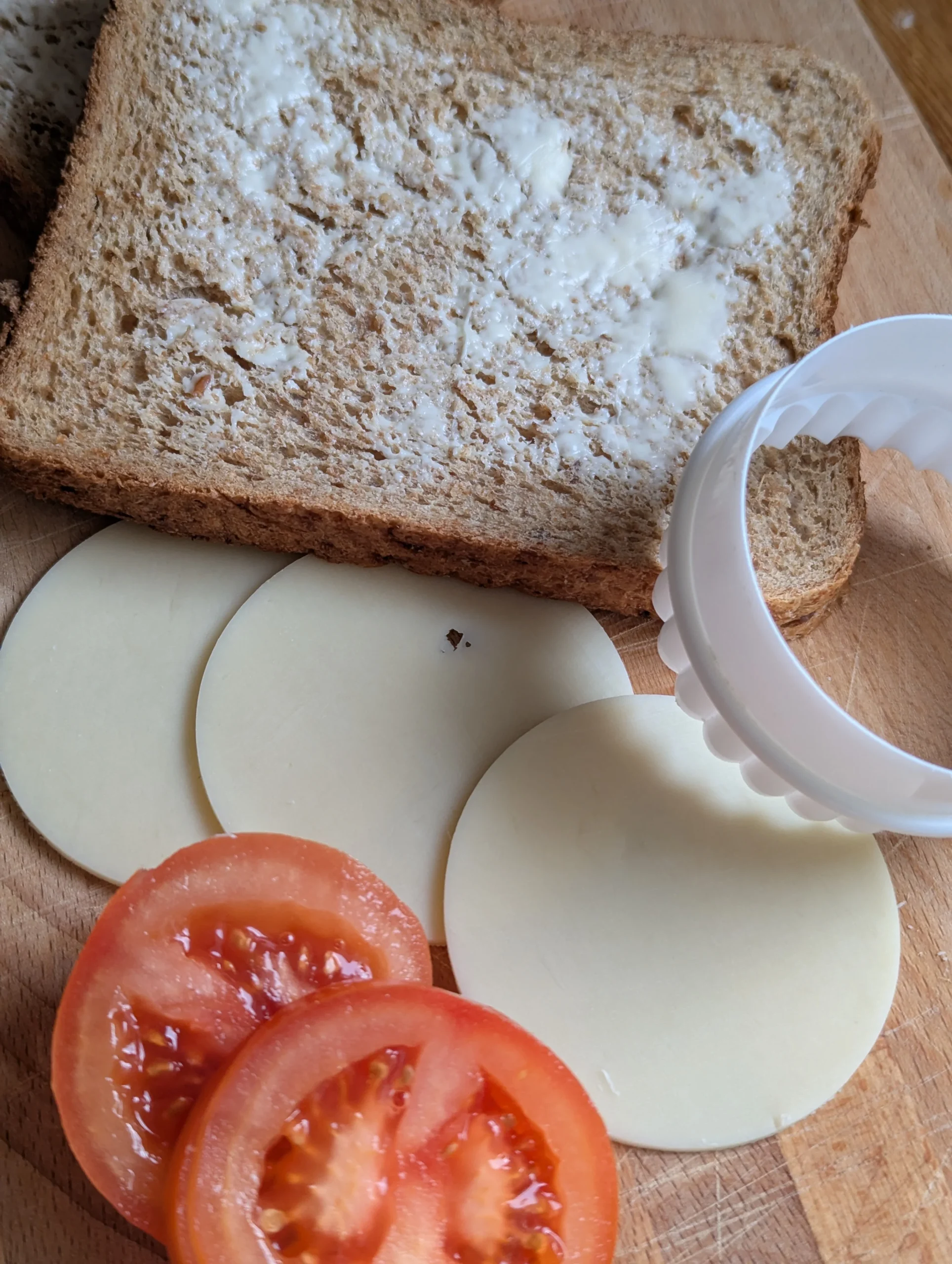
Building skills slowly from the beginning gives everyone confidence in the kitchen. You could start with something as simple as spreading butter to make a sandwich — it doesn’t really matter what you’re making. Sometimes it’s enough to show your child how they can create part of their own packed lunch. This sounds simple, but even this one step gives your child confidence and independence.
Cooking teaches children essential skills they’ll use forever. Learning how to chop vegetables or measure ingredients helps them become more independent, and by involving them in the kitchen, you’re giving them knowledge they’ll carry into adulthood.
Encourages healthy eating habits
There are so many things I love about cooking with my children, and one of the biggest is that they are far more willing to try what they’ve helped make. Seeing what has gone into a meal really makes a difference — it gives them ownership of the food, and they’re keen to give it a go.
Cooking with our children can really encourage healthy eating. When children help create something to eat, they’re involved with what goes on the plate.
Preparing the meal is also a great opportunity to teach your child about healthy ingredients and balanced meals. I often learn a lot myself about new ingredients too — almost every time I go into a supermarket I find something I haven’t used before! This is where cooking can become a real adventure for the whole family, and introducing children to fresh produce and home-cooked meals early really does shape their future food choices.
💡 Laura’s top tip
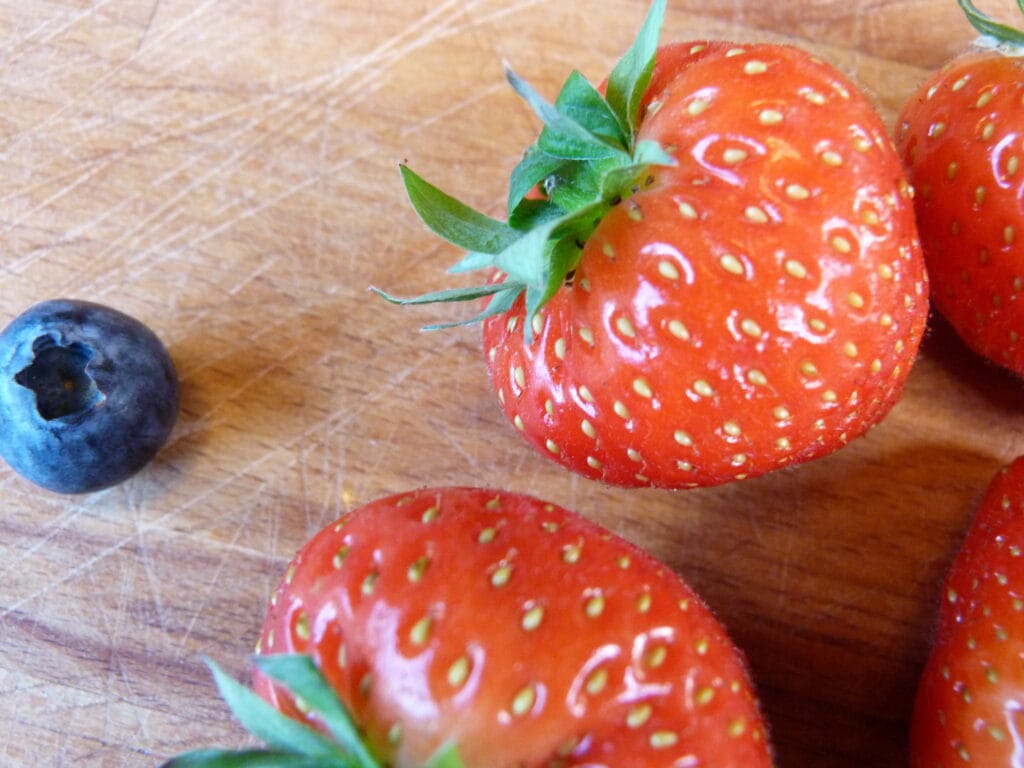
Healthy eating doesn’t have to mean cooking up something complicated. Try picking a fruit of the week when you’re out shopping — explore the different fruits on offer and decide together how to use it. Will you add yoghurt to it? Could you eat it on its own? How does it grow? Where does it come from?
Improves maths and science skills
When we create a recipe, it will always include maths and science without us really thinking about it — measuring, counting, timing, calculating.
By measuring ingredients, timing cooking processes, or watching dough rise, children learn maths and science in action. What I love is that it isn’t an obvious sit-down lesson. It’s so hands-on and exciting that you forget how much your children are learning — and the best part is, they don’t realise they’re learning either. They just see it as fun. A win-win!
It’s easy to assume maths and science are only taught in the classroom, but that isn’t the reality. We use them in our day-to-day lives all the time, often without even thinking about it.
🔬 Maths and science, hiding in plain sight
| Everyday moment | What’s really being learned |
|---|---|
| Pouring milk into a bowl | Estimating quantity and capacity. |
| Spreading butter on toast | Judging amount and even distribution. |
| Watching dough rise | Cause and effect, observing change over time. |
These hands-on experiences make learning fun without feeling like schoolwork, while also building life skills.
Builds confidence and strengthens family bonds
Completing a recipe, even a simple one, gives children a sense of achievement. It’s a great way to show them that their efforts lead to tasty results.
🍕 A great place to start
I’d suggest starting with something simple — this gives them the confidence to create something again.
- Spreading butter to make a sandwich
- Building their own packed lunch
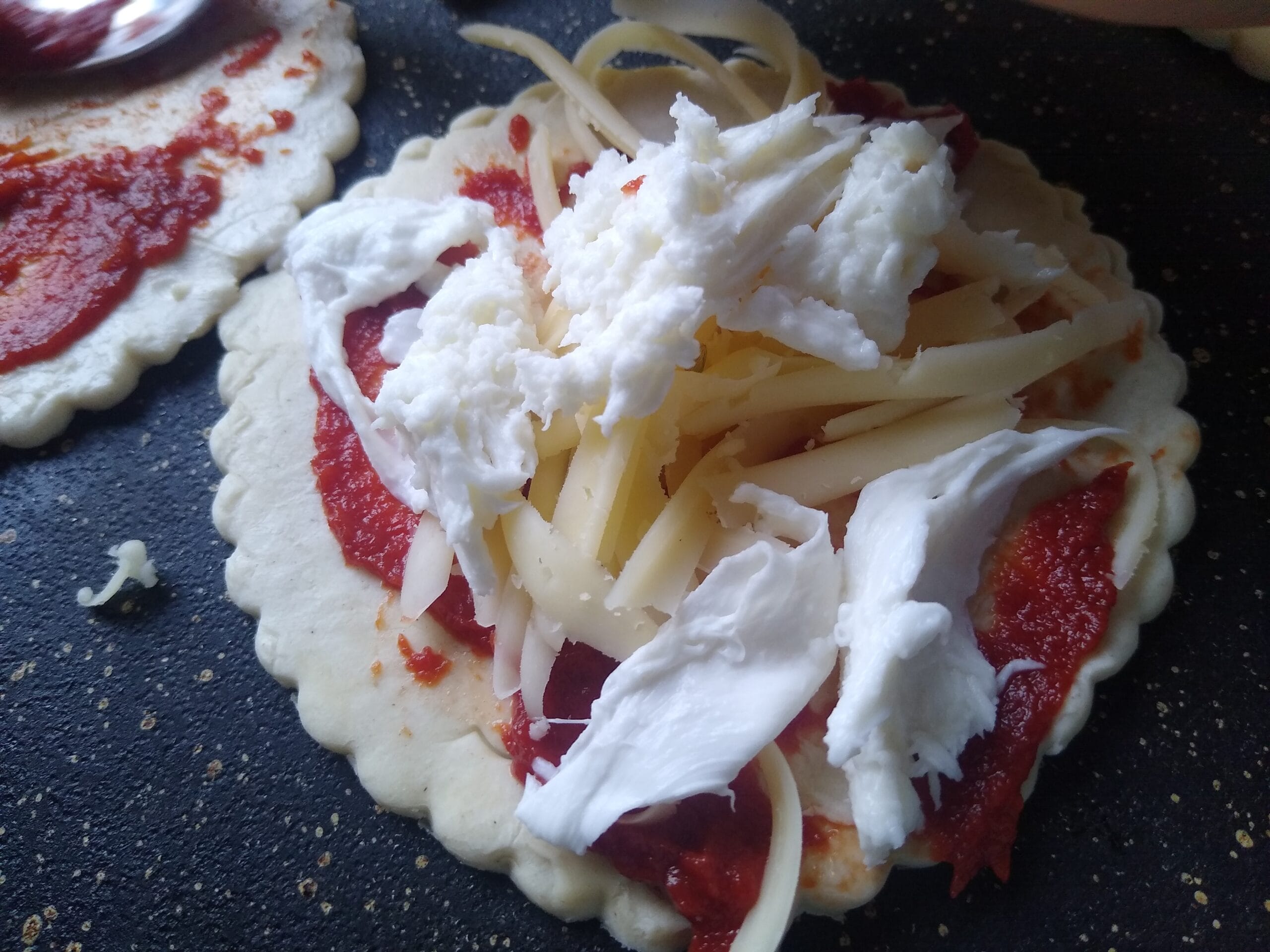
- A quick mini pizza, topped however they like
As they get better, their confidence in the kitchen — and outside of it — will grow. It’s a joy to see.
Cooking together also means more quality family time. It’s a chance to talk, laugh, and focus on a shared activity. These moments create memories you’ll all cherish forever — in fact, if a recipe goes wrong, you’ll probably remember that more than the times it went well!
Spending time in the kitchen is a lovely way to spend time together. Deciding what to create is great fun — getting out the recipe books or looking online, then gathering the ingredients. Before you’ve even started cooking, you’ve had plenty to talk about.
Encourages creativity and teaches patience
Cooking isn’t just about following recipes — it’s so much more. Why not come up with your own recipe, or select a vegetable and decide what you could cook with it?
Children can experiment with flavours, decorations, or even come up with their own dishes. Letting them explore their creative side boosts imagination and helps grow their confidence. With sharing boards being very popular, why not let your child create one? They can decide what to put on it, help you buy the ingredients, then let their creative juices run wild.
Cooking is not always quick, and recipes often require waiting between steps — teaching children to be patient. Sometimes you’ll need to pop something in the fridge, wait for dough to rise, or be patient while a cake bakes.
Unfortunately, cooking also involves cleaning up. I’m guilty of tidying up for my children, but we really should be getting them to help with this too. These small lessons teach patience and the importance of responsibility, and the repetitive actions involved in stirring, mixing, squashing, peeling and cutting also help develop fine motor skills.
💡 Laura’s top tip
Want to learn more about how cooking benefits fine motor skills? Read the full fine motor skills guide for activity ideas at every stage.
Cooking and preparing a meal together is also a genuine team effort — someone getting the plates and cutlery, another getting out sauces, salt and pepper, while others prepare the main meal. By getting children involved, they learn to take turns, follow instructions, and work collaboratively — skills that are useful both at home and in school, and life skills that will carry them into adulthood.
Lots of families have kitchen traditions — we certainly have a few. Getting together for pancake day, making sure to flip every pancake that’s served, is one of ours. Yes, we’ve had a few land on the floor! But these are memories that will last a lifetime, and ones to be cherished. The kitchen is a place where traditions are passed down and stories are shared, providing the perfect opportunity to talk about your day.
Cooking with your child isn’t just about food — it’s about spending time together and teaching them valuable skills. From learning about healthy eating to building their confidence, the benefits are endless. Take the next opportunity to invite your child into the kitchen and see how much fun you can have together. I can’t wait to hear all about it!
Stage spotlight
You don’t need a special recipe to begin. Here’s how a simple session in the kitchen might look at each stage — use these as a guide, not a rule.
Hands-on with help
- Spreading butter on bread
- Tearing lettuce or herbs
- Stirring a bowl with support
- Pointing to ingredients as they’re named
- Smelling and touching new foods
Building independence
- Measuring ingredients
- Cracking an egg
- Building their own sandwich
- Reading simple steps from a recipe card
- Helping write the shopping list
Taking the lead
- Following a simple recipe alone
- Writing and checking off the shopping list
- Creating their own dish or sharing board
- Timing each step of a recipe
- Helping a younger sibling with their job
Frequently Asked Questions
There’s no set age — it’s about ability, not age. Start with whatever feels manageable for where your child is right now, whether that’s spreading butter or following a full recipe.
Mess is part of the process. Cooking together is about the experience and the learning, not a perfectly tidy kitchen. Getting your child involved in the clean-up afterwards is a valuable lesson in itself.
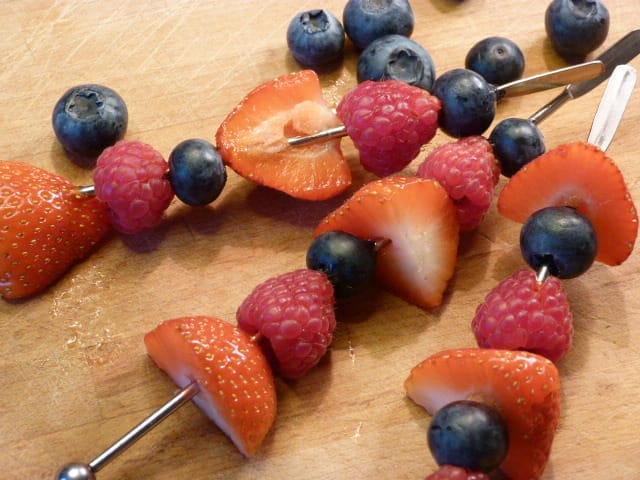
Keep it simple — a sandwich, a fruit kebab, or a quick mini pizza are great places to start. Anything with a few easy, repeatable steps works well for a first go.
Break it into smaller jobs and let them take ownership of one part each. Waiting times, like dough rising or something baking, are also a great chance to talk about what’s happening and why.

Start tonight, however small 💛
You don’t need a fancy recipe or a free afternoon. Spreading butter for a sandwich is enough to begin. Pick one small thing to try together this week, and see where it takes you.
— Laura x