How to Start Cooking With Kids: 5 Beginner-Friendly First Steps
Wondering how to start cooking with kids but not sure where to begin? You’re in exactly the right place. This is the gentle, realistic version — no fancy equipment, no expecting too much too soon, just five small first steps that genuinely work with real children in a real kitchen.
Cooking with children can be magical. Gathered round the kitchen counter, flour dusting the air, laughter filling the room as you mix up a simple batch of biscuits. Sounds magical, but sometimes the reality is more flour all over the floor, along with the butter, and dough in everyone’s hair!
With that being said, when it goes to plan — or even when it doesn’t — those moments create bonds that last a lifetime. You can certainly say that cooking with children is an adventure. One of those where you’re not quite sure how it will pan out!
Regardless of the craziness cooking can bring, it is a superb way to build your children’s skills in so many areas. They learn to measure ingredients, follow steps, and handle tools safely. Plus, it sparks interest in healthy eating — children will often try new foods when they help make them.
Why cook with children?
This is a good question — why are we even wanting to try cooking with our children, when it can be seen as a complete nightmare! Well firstly, it doesn’t have to be a complete nightmare.
Secondly, cooking with children goes beyond just making meals. It turns the kitchen into a place of joy and learning. You see your children light up as they stir a pot or sprinkle cheese on top — achieving something that they may have thought they couldn’t.
It raises their confidence when they see a dish come together from their own hands. Mealtimes get exciting as families sit down to eat what they made. Best of all, children try new foods more often and learn about nutrition in a gentle way, without anyone pushing.
Building stronger family bonds through shared tasks
Standing side by side in the kitchen forges real connections. Even when things go wrong, it is best to laugh together — those moments when the recipe doesn’t go quite to plan can be some of the best memories you can make.
Cooking together offers a time to talk. Whilst you are mixing the dough you can ask about their day, ask about their friends, or just check in with them. With it being a casual chat, it helps build bonds and helps everyone to unwind.
Keep it positive and easy, no matter your family size. For a small group, focus on one simple task like mixing ingredients. Larger families can divide roles — one stirs, another sets the table. These moments reduce screen time and draw you closer. You end up with full bellies and fuller hearts.
Set up a safe kitchen space
Before you dive into preparing food, it’s worth thinking about your kitchen setup. A tidy and secure space lets children join in without worry. Start by clearing worktops of sharp items or hot appliances. Wipe down surfaces and keep floors dry to prevent slips. Pick safe tools — butter or dinner knives that cut soft foods but won’t harm fingers. Set simple ground rules from the start: no running, always ask before touching the stove, and wash hands.
🛡️ Quick safety checklist
- Clear worktops and move hazards out of reach
- Gather child-safe tools
- Set up a step stool for easy access, if needed
- Review ground rules together
- Plan your first task based on what they can build confidence with
With these basics in place, your kitchen turns into a welcoming spot for all young chefs!
Choose the right tools
Children love feeling like real cooks, but grown-up gear can sometimes be too big and cause frustration. Some children will of course be fine with standard kitchen equipment — you need to decide what is going to work best for your child as an individual.
If you feel more easy-to-grip items that fit smaller hands would be better, then provide that. A sturdy step stool can help them reach the counter without stretching. Aprons with pockets keep clothes clean and give a fun chef vibe. Child-sized utensils, like wooden spoons or silicone spatulas, make stirring simple and safe. Think about what your child can manage — they are all different with individual needs.
💡 Laura’s tip
Once you provide the most suitable tools for your child, you are setting them up to succeed. If a smaller wooden spoon or a plastic bowl is what’s best to meet your child’s needs, they are more likely to complete the recipe and stay involved. Watch their faces light up as they mix batter on their own level!
Pick easy recipes to start
Ease into kitchen fun by choosing recipes that match your child’s capabilities. Simple picks build confidence fast and keep everyone excited. Why not start with no-cook options to skip heat and focus on assembling the food? These let children handle tasks safely while they learn about food.
When you start cooking with children, begin with something your child can achieve mostly on their own — or at least have a lot of contribution into. When a child carries out most of the putting together of a recipe, they feel super proud.
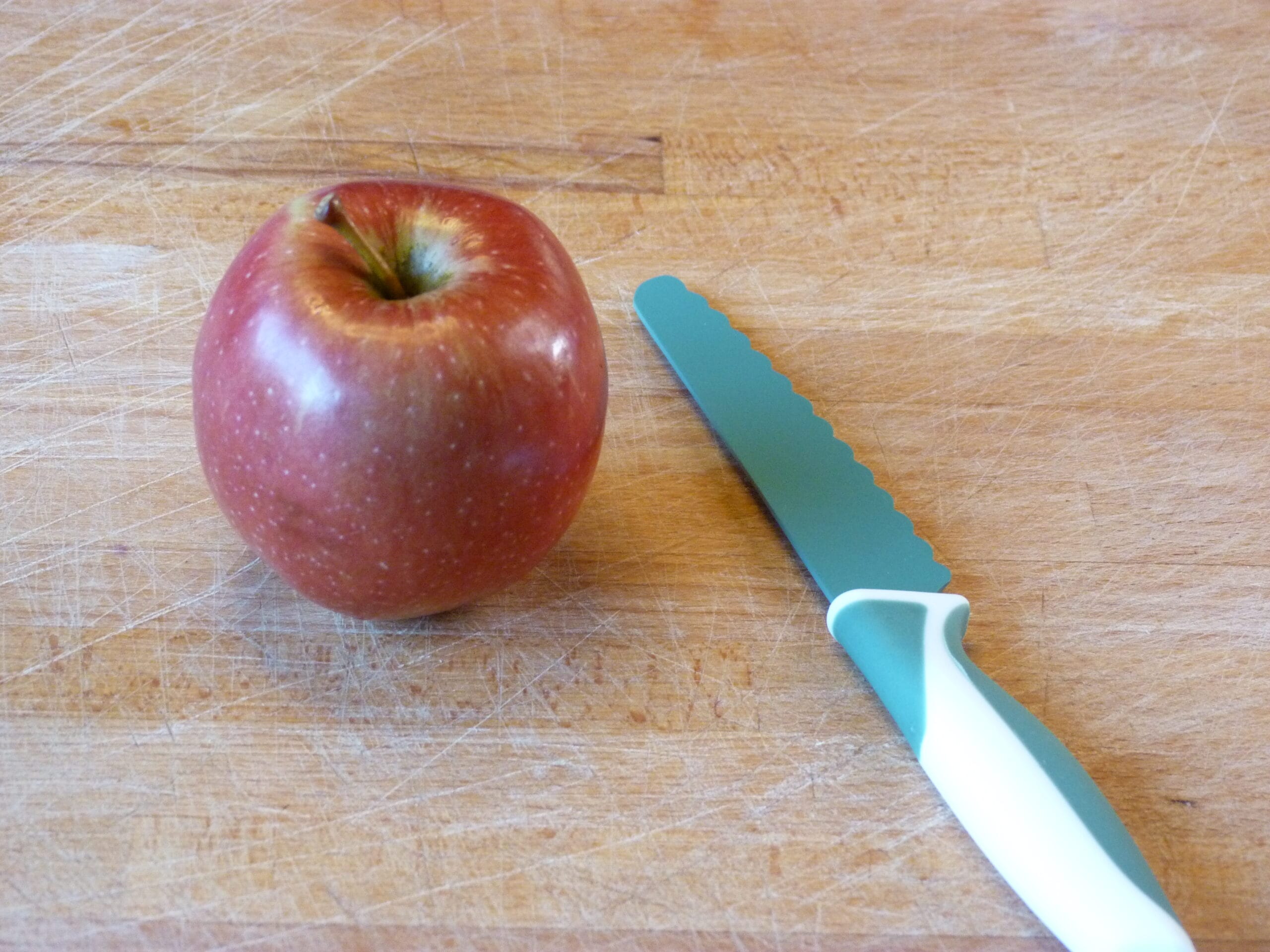
If it would help, think about prepping ingredients ahead — wash and chop fruits or veggies yourself, then let your child assemble. You could even play upbeat music or set a timer for a race to finish. When you start, stick to recipes with five steps or fewer.
💡 Three easy ideas to try first
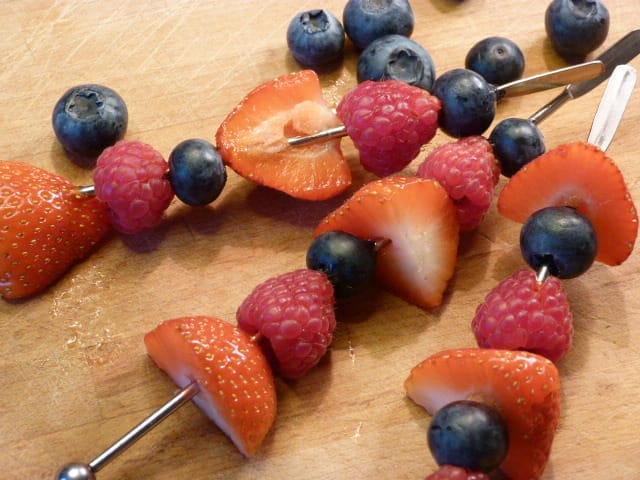
Rainbow Fruit Kebabs — thread colourful fruit onto blunt skewers. Great for fine motor skills and colour learning.
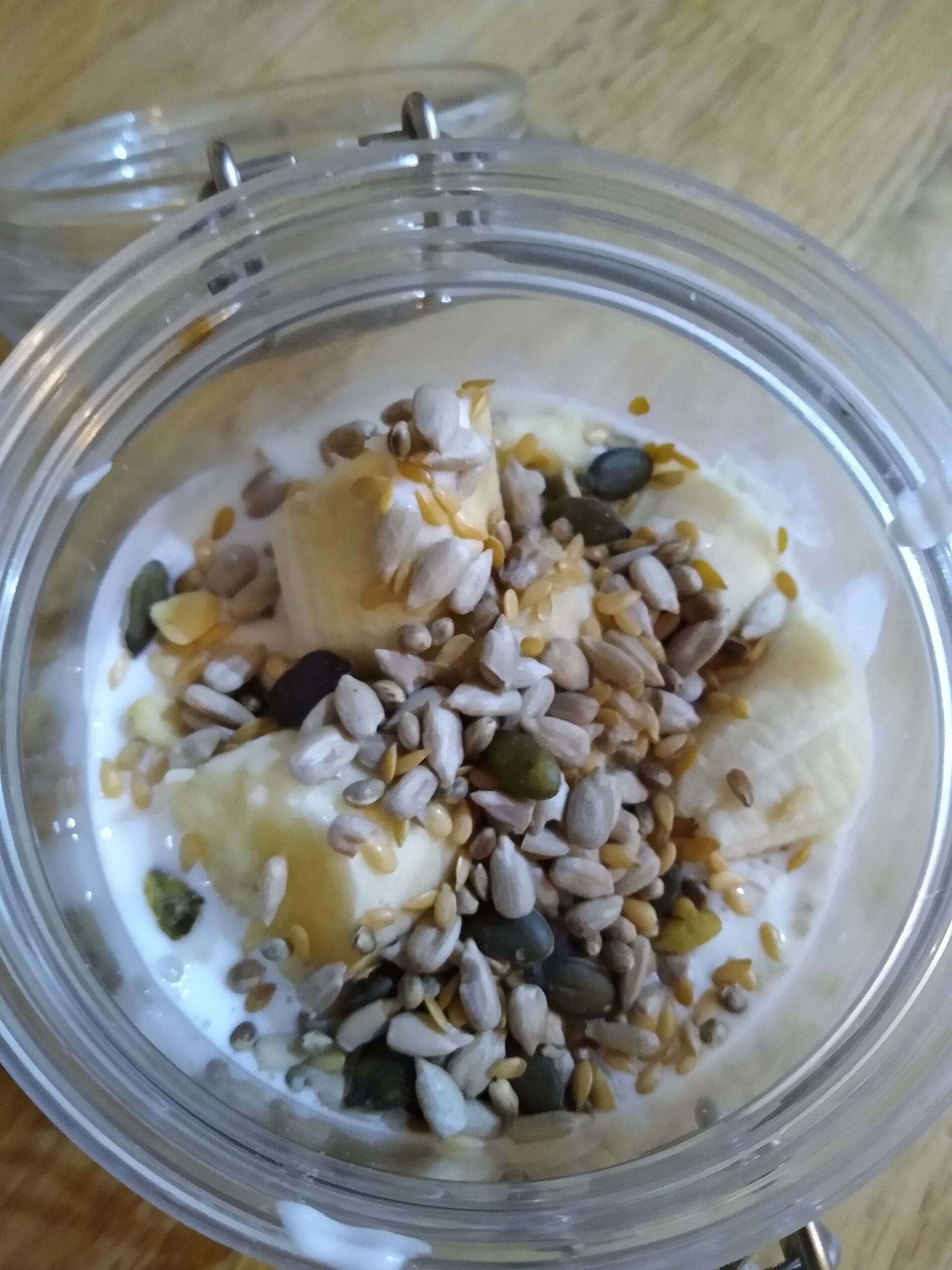
Overnight Oats — layer yoghurt, fruit and oats in a jar. Builds sequencing and looks beautiful.
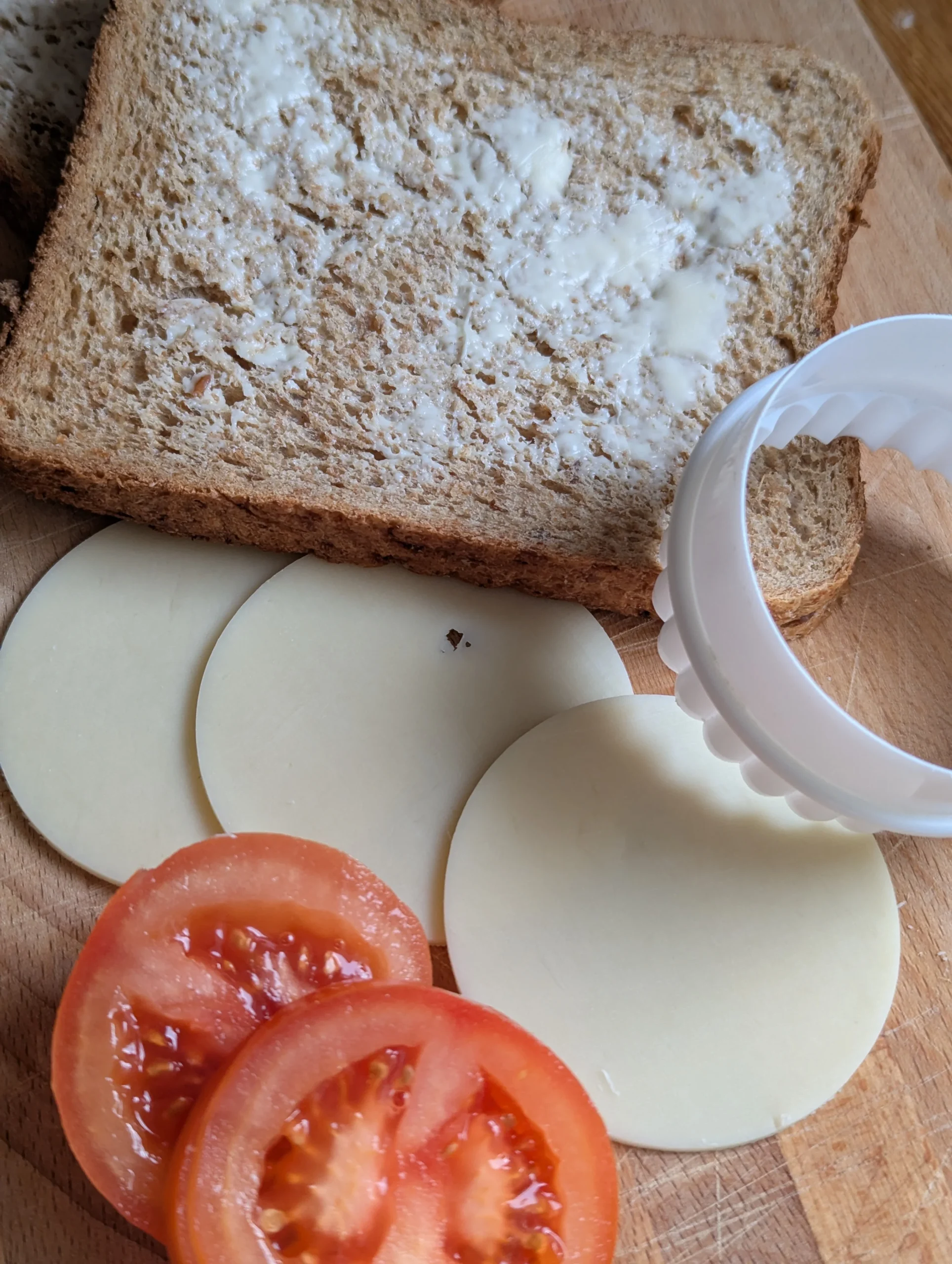
Simple Cheese Sandwich — spread, fill and slice. The perfect motor-skill sequence.
Guide step by step
Once your kitchen feels safe and you’ve picked a recipe that suits you and your child, guide them through each part with patience. Break tasks into clear steps so they feel in control. Let them lead when it’s safe — like choosing spices or stirring a bowl. Praise their efforts right away — a quick “Well done on that mix!” builds their excitement.
Mistakes happen, like spilling flour, but turn them into lessons. Say, “No worries, we scoop it up and try again.” This keeps things light and teaches resilience.
Tailoring tasks to your child
Rather than getting focused on how old your child is and what the wider world expects them to be able to do — please don’t look at this. It’s not going to help you or your child.
Pick cooking activities that your child can succeed at and grow in confidence. Always supervise closely, especially near heat or sharp tools. Initially, keep it basic — get an understanding of what they can do themselves, or what you can build towards. If it’s starting with washing the vegetables in a bowl or stirring mixtures you’ve already created, this is a starting point to build on.
You could then move on to measuring, using measuring spoons and jugs — this encourages coordination, fine motor skills, and maths all at once. A sandwich can be built up over time — spreading butter evenly, deciding the fillings, how much is a good idea and when does it become too much!
When you feel your child is ready to move on, you could start to introduce peeling or simple chopping with a child-safe knife. Building skills in the kitchen can move along as fast or as slowly as you feel is right for you and your child. The last thing we want is to put both of you off cooking together.
Handle messes with a smile
I know cooking with children can quite often turn into flour on the floor and sauce on the walls! But that doesn’t have to ruin the fun. Sometimes it’s best not to think about that and focus on the joy instead of spotless worktops. You can turn these moments into chances to laugh and learn together.
Spills happen when hands mix batter or pour milk — see them as part of the adventure. If the flour does end up on the floor, why not make it into a game? Who can sweep it away the fastest? After all, they need to learn that the mess can be tidied up and we all need to help do this. Working as a team is really important.
💡 Quick clean-up tips
Lay down newspaper or a splash mat before starting — it catches drips and tidies away easily. Keep wipes and a damp cloth nearby for instant swipes. Involve your children in the fix — hand them a sponge for small jobs. This teaches responsibility and wraps up sessions on a positive note.
Clean up as a team at the end, turning it into a quick game. Put on some music and see if you can tidy everything before the song finishes. These small touches keep the kitchen feeling welcoming for next time.
Stage spotlight
Every child is different. Use these as a guide — not a rule — and adjust based on what your child can do, not how old they are.
Getting started
- Wash vegetables and fruit in a bowl of water
- Tear lettuce and herbs by hand
- Stir cold mixtures with a sturdy spoon
- Place toppings on pizza or toast
- Sort ingredients by colour or size
- Pour pre-measured dry ingredients into a bowl
Building confidence
- Measure with spoons and jugs
- Spread butter, hummus, or cream cheese
- Use a child-safe knife on soft foods like banana
- Build a sandwich — choosing fillings and amounts
- Crack eggs into a separate bowl
- Peel soft fruit like clementines or bananas
Leading the way
- Follow a full recipe from start to finish
- Grate cheese or carrots with supervision
- Peel vegetables with a Y-peeler
- Manage simple chopping of soft foods
- Time the cooking and call out when to stir
- Plan fillings and portions for the family
Frequently asked questions
Start with something they already enjoy eating. If they love toast, let them choose the toppings and spread them. Sometimes just being in the kitchen with you — watching and chatting — is enough for now. Don’t force it. Interest usually comes when the pressure drops.
That’s completely fine — and actually, it can be a good thing! When you and your child learn together, it levels the playing field. You’re not the expert giving orders; you’re a team figuring it out. Start with no-cook recipes where there’s nothing to burn, and build from there.
Focus on Explorer Stage tasks — washing, tearing, stirring, and investigating different ingredients. Keep sharp tools and hot surfaces entirely in adult hands. A sturdy step stool at the counter keeps them at the right height. Set clear ground rules before you start, and keep sessions short so everyone stays focused.
The first few times, yes — probably a bit longer. But think of it as an investment. The more they practise, the more they can genuinely help. And even those slower sessions are giving your child skills, confidence, and quality time. That’s not wasted time — it’s some of the most valuable time you’ll spend together.

Start simple, start together 💛
I really hope you now have some ideas on how to start cooking with your children. It doesn’t have to be complicated — a quick question whilst making a sandwich, a splash of water over some berries, or five minutes of spreading and sprinkling together. Those small moments build skills, confidence, and memories that last.
Tag me on TikTok or Instagram and show me your first kitchen session!
— Laura x